Aerobic Septic and Treatment Plant Service

  • Same-Day Service
  • Open 24/7
  • No Credit Card Fees
  • Voted Oxford's 2026 Best Plumbers, Heating & Air, Contractors & Biz Owner
Happy Pipes Mascot with Best of Oxford

What it usually is

An aerobic septic system, which most folks here call a treatment plant, works harder than a plain septic tank. Waste settles in the first tank, an air pump blows air into the next chamber so bacteria can break the waste down, and the cleaner water is disinfected and then sent out across the yard through sprinkler heads (spray) or out to a discharge point on the surface (overland).

Because it runs on moving parts, a treatment plant tells you when something is off: an alarm light, an air pump that goes loud or quiet, a smell, or sprinklers that stop coming on. Most of the time it is one worn part or a tank overdue for pumping.

Signs your treatment plant needs a visit

  • The alarm light is on or the buzzer is going off.
  • The air pump is loud, humming or buzzing, or you cannot hear it running at all.
  • A sewage or rotten smell near the tanks, the sprinklers or the house.
  • The sprinkler heads have not come on in a while, or they spray where they should not.
  • Toilets and sinks gurgle or bubble when the washer drains, or water backs up inside.
  • Bubbles or wet ground in the yard near the tanks or the lines.

How we check a treatment plant

We work from the top, with the lids open: nobody climbs into a tank. We start with the air pump. These pumps have no bearings; they wear by running hot, getting loud and putting out less air than the plant needs. We check the air filter, make sure air is actually reaching the aeration chamber, and read the air pressure against what the maker recommends for that pump.

Then we check the alarm and its float, the spray pump and the spray heads, the chlorinator, and how much sludge and trash has built up in the first tank. If something is wrong, you get a guaranteed proposal before any repair begins.

Keeping it healthy: maintenance, chlorine and bacteria

A treatment plant does best with a regular check: cleaning the air pump filter, adding bacteria, topping off the chlorinator, and cleaning and adjusting the spray heads so they water your yard and not your neighbor's.

The chlorinator takes chlorine tablets made for septic chlorinators. Some bacteria products come as tablets too; those go down a toilet or drain dissolved in warm water, and never in the chlorinator.

Treatment plants still need pumping. Trash and sludge build up in the first tank just like a regular septic tank, and a tank that has gone years without pumping is one of the most common reasons for a backup or a smell.

Repair or replace

Most calls end with a repair: an air pump, a spray pump, a float, a spray head or a line. When a plant is worn out, we can replace it. Where the property allows, overland discharge is often the simpler choice, because there is no second pump to maintain.

Mississippi's wastewater rules come from the Mississippi State Department of Health. Under those rules a new permit is needed when the type of treatment, the way the system discharges or its size changes, or when both the tank and the field are replaced. A treatment plant sits at least 5 feet from the house, 10 feet from the property line and 50 feet from any well, never under a building, and never where cars drive or park.

Treatment plant calls we've run in North Mississippi

Real jobs from our own records. Towns only; no names or addresses.

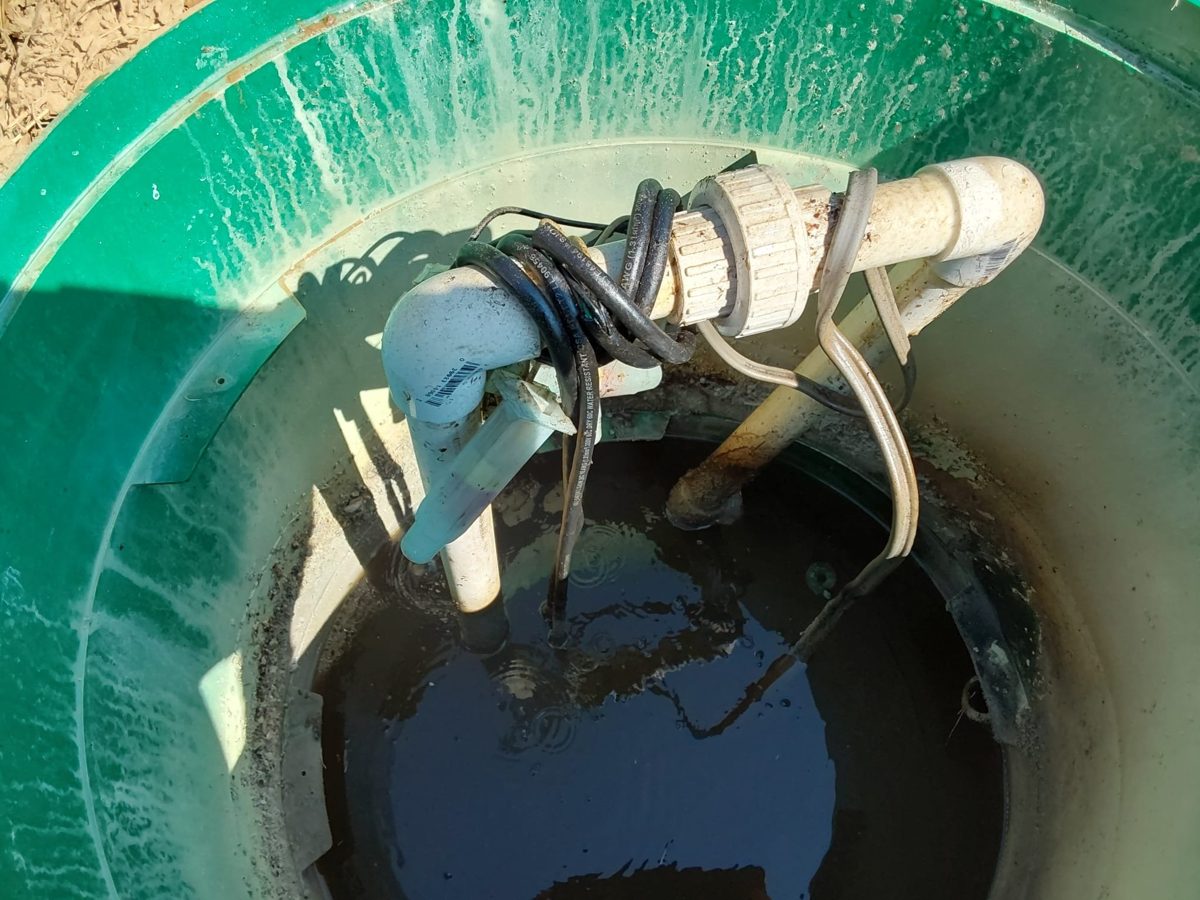
Opened spray pump riser at a treatment plant, with the pump power cord, in Oxford

Bubbles in the yard on laundry day

Oxford · Aerobic septic

A homeowner in Oxford noticed bubbles coming out of the ground 6 to 10 feet from the cleanout whenever the washer ran. He also realized he had not seen his spray heads come on in a while.

Those two clues belong together. On a treatment plant, the spray pump moves the treated water out to the spray heads. When it quits, the water has nowhere to go, and it often finds its own way out of the ground.

Our technician tested the spray pump and confirmed it had failed. He replaced it with a new half horsepower submersible pump, plumbed in with a new union and coupling.

Before he left, the system was back up and running.
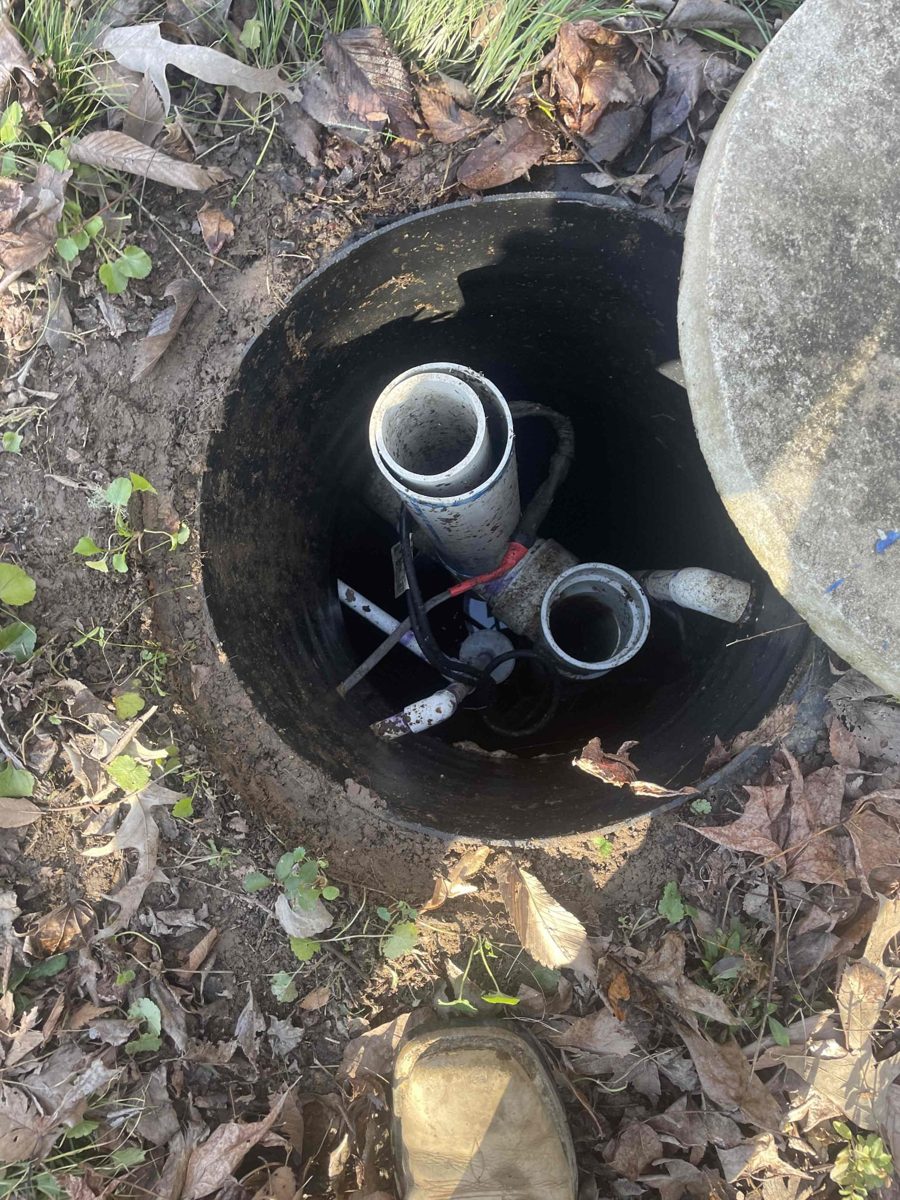
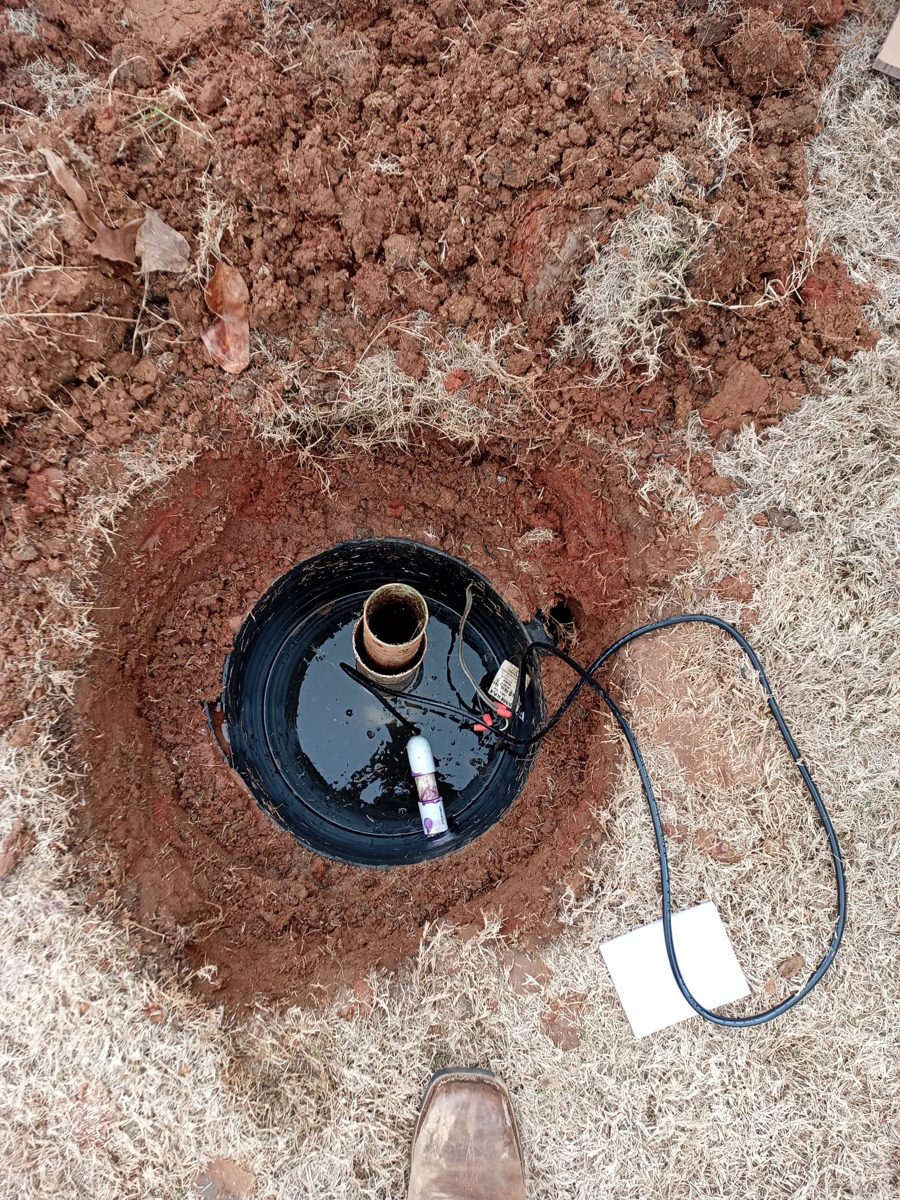
Opened treatment plant riser showing the air line and pipes, in Oxford

An aerator alarm that would not stop

Oxford · Aerobic septic

A homeowner in Oxford called because the aerator on his treatment plant was alarming.

An alarm on a treatment plant can come from several places: high water in the tank, a failing air pump, or a failed part in the alarm setup itself. Telling them apart usually means opening the tank, not just listening at the box, and that is the tricky part.

Our technician opened it up and found the culprit: the high water float on the air line had gone bad. He cut the air line at that float and capped it off.

That made the system work properly again, all on that one visit.

Spray pump chamber with its discharge pipe and union, at a business in Bruce

An overflowing system with a humming aerator

Bruce · Aerobic septic

A business in Bruce called because its treatment plant was overflowing.

Our technician could hear the aerator humming, which sounds like good news. It was not. The aerator was not connected to the tank, it was full of ants, and on a gauge it could not blow even half the recommended pressure. Without air, the solids had been sitting still in the tank.

Opening both lids showed the rest. The plant was full of solids, and the spray pump's discharge pipe was broken, so the pump chamber had filled and the pump ran until it burned itself up.

He replaced the aerator, pumped and cleaned the plant, and replaced the broken pipe and the spray pump. Before leaving, he checked with the manager that everything was flushing and the overflow was resolved.

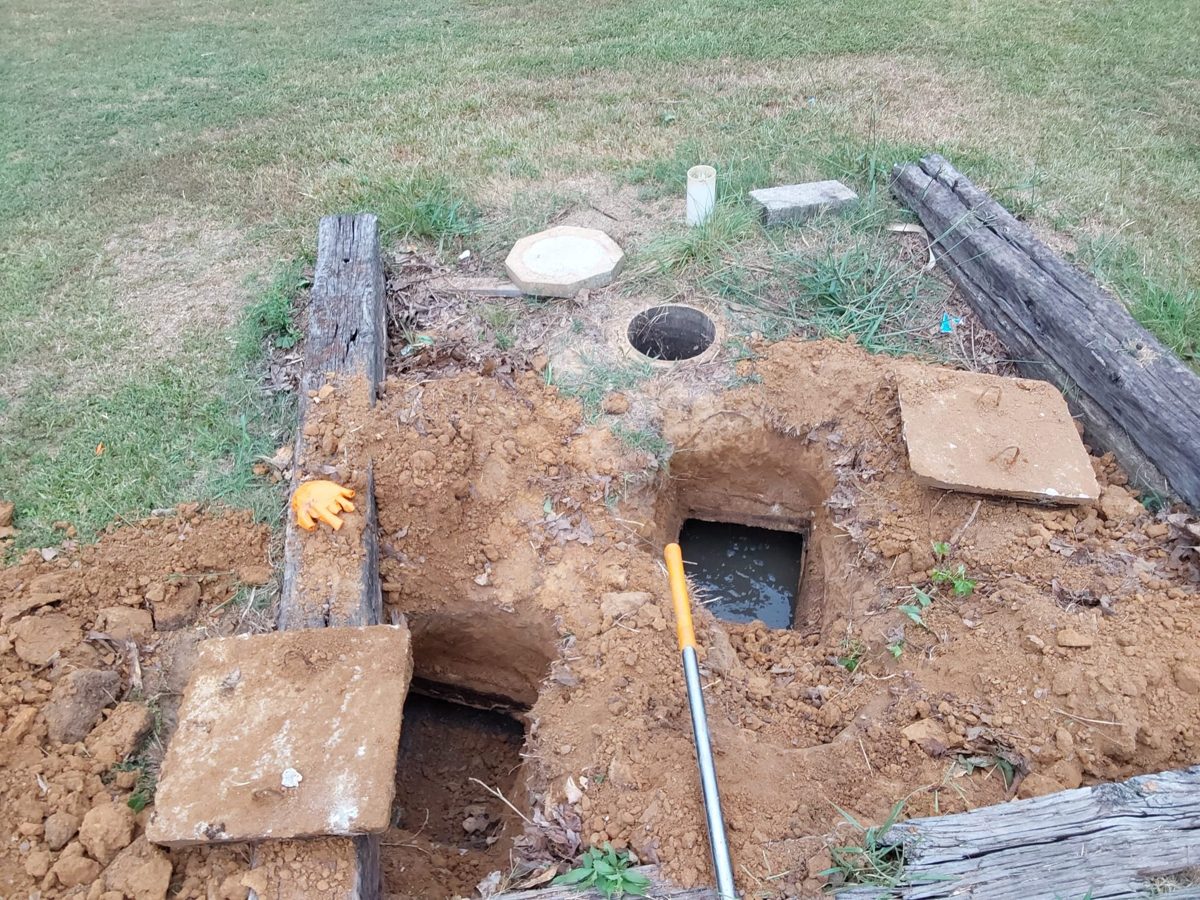
Treatment plant lids dug up in a bordered bed, in Oakland

Slow drains a snake could not fix

Oakland · Aerobic septic

A homeowner in Oakland had slow drains. The family had already snaked the lines with no luck, and nobody knew when the tank had last been pumped.

That is a common trap. A snake clears pipe inside the house, but when the blockage sits where the line enters the tank, snaking the drains will not reach it.

Our technician located the treatment plant and dug up its lids. Solids had built up from going without service and were blocking the inlet, the pipe that brings everything in from the house. He pumped and cleaned the plant.

Then he had the homeowner flush to test it, and she said that fixed it. Pumping on a schedule is usually what keeps a plant from getting back to that point.

If it's not this

Frequently Asked Questions

Why is my aerobic septic alarm going off?

Usually the water in the plant has risen too high, or the air pump is not putting out enough air. A tripped breaker, a worn air pump, a stuck float or a spray pump that quit are the common causes. Cut back on water and call us.

My air pump is really loud. Is it going out?

Often, yes. These air pumps wear by running hot and getting loud while putting out less air. Sometimes the noise is something simpler, like an air line vibrating against a pipe, so we check before we replace anything.

Do treatment plants need to be pumped?

Yes. Trash and sludge settle in the first tank just like a regular septic tank. A plant that goes years without pumping is a common reason for smells and backups.

Why are my sprinkler heads not coming on?

The spray pump may have quit, its float may be stuck, or a head or line may be clogged. Water that cannot get out to the sprinklers backs up in the tank, so it is worth a visit before it reaches the house.

Contact Us

SMS Service Consent
SMS Marketing Consent

Talk to a real person, 24/7

Call 662-362-7745 or send the form. Every job starts with a guaranteed proposal before any work begins.