Sewage Smell and You're on Septic

  • Same-Day Service
  • Open 24/7
  • No Credit Card Fees
  • Voted Oxford's 2026 Best Plumbers, Heating & Air, Contractors & Biz Owner
Happy Pipes Mascot with Best of Oxford

A septic smell is usually the system telling you something

On a septic tank, a sewage smell inside usually points to the tank, the pipe into it, or the vents that carry the gas out over the roof. Sometimes the tank just needs pumping. Sometimes the tank is fine and the source is a seal inside the house.

Where and when you smell it is the best clue: the bathroom nearest the tank, a smell that gets worse with a full house, or one that comes with gurgling toilets each point a different way.

The usual causes on a septic system

  • The tank is full or overdue for pumping. Solids build up and gas backs up toward the house. If nobody knows when it was last pumped, start here. See septic pumping.
  • Water backing up at the inlet. When the tank level rises to the pipe from the house, that line cannot drain or breathe. Gurgling and a smell often come together.
  • A baffle, inlet or outlet concern. A broken baffle or a clogged outlet filter can hold water up in the tank or send solids toward the field.
  • A vent not doing its job. Roof vents let sewer gas out above the house. A blocked, broken or missing vent pushes it back through the drains.
  • A new system with poor fall or venting. A pipe into the tank set too shallow, or drains never vented properly, can leave water sitting in the line and a smell inside within months.
  • The drain field is not taking water, so the whole system backs up. Soggy ground, a smell in the yard, or extra green grass over the lines often go with it. See drain field repair.

On an aerobic system (a treatment plant with an air pump), add one more: the air pump or the bubbler not running. See aerobic treatment plant service.

How we tell which one it is

We start with your answers: where it smells strongest, when, when the tank was last pumped, and whether drains are slow or gurgling. Then we open the tank.

  • Tank level against the outlet. In a working tank the liquid sits at the outlet pipe. Higher usually means the outlet, the filter or the field is holding water back. Thick with solids usually means it needs pumping.
  • The inlet. Is water sitting in the pipe from the house, does it have enough fall, and is the inlet baffle in place?
  • The vents. Are they there, clear, and running to the roof? When the source is still hidden, a smoke (fog) test shows exactly where gas is getting out.

If the tank checks out, we look inside the house: a toilet wax ring, a dry trap, an open pipe. You get a guaranteed proposal before any repair begins. Please do not open the tank lid yourself: the gas is harmful and an open tank is a fall hazard.

On septic, a smell can still be hard to place. The gas is invisible and gathers away from where it escapes, and it comes and goes with water use, the air handler, wind over the vents and the weather. When the tank checks out and the smell keeps coming back, it can take a second visit or a smoke test to find it. We keep going until the source is found and fixed.

Watch: where a sewer smell gets into the house

Not every sewer smell on a septic system is the tank. This video shows the eight places inside the house a smell usually comes from, so you can rule them in or out.

Septic smell calls we've run

Real jobs from our own records. Towns only; no names or addresses.

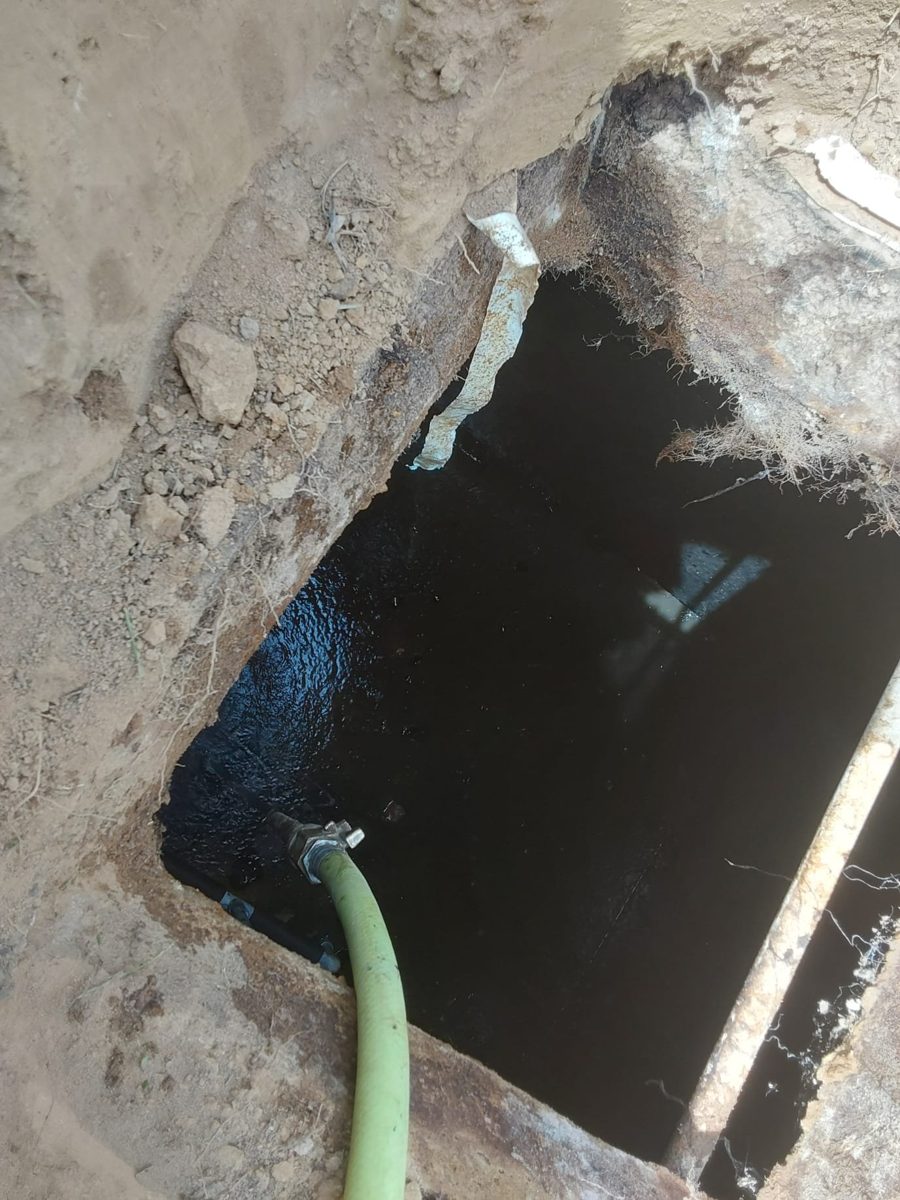
Open treatment plant lid showing a tank full of liquid in Oakland

Sewage smell and sinks backing up on laundry day

Oakland · Septic

A homeowner in Oakland had a sewage smell in the house, a toilet that sometimes would not flush, and sinks that backed up whenever the laundry ran.

Those signs can point several ways: the plumbing under the home, the treatment plant's air pump, or the tank itself. A washing machine sends a lot of water at once, so a system that is already full often shows it on laundry day first.

Our technician checked each one. The aerator was working and the plumbing under the home was fine. The treatment plant was full of foul-smelling water. Of the options he offered, the homeowner chose pumping, and he pumped and cleaned the plant that same visit.

We have not had a call back from that home since.
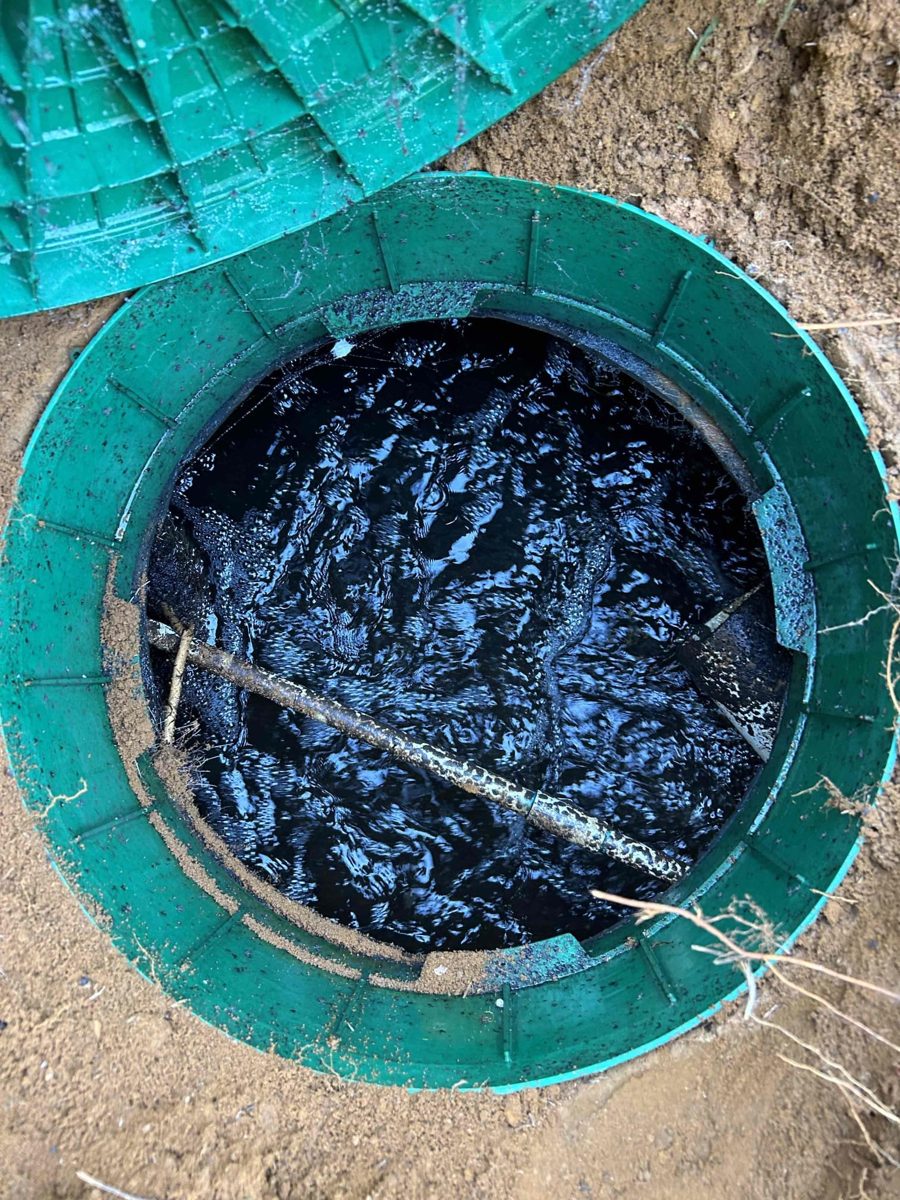
Septic tank opened with dark effluent near the top in Thaxton

Sewer smell and black effluent

Thaxton · Septic

A homeowner in Thaxton called about a sewer smell and black effluent, and thought the treatment plant's aerator might be to blame.

Dark, smelly effluent can look like an aerator that has quit, but it often means a tank is overdue for pumping and solids are carrying through the system.

Our technician's finding: both tanks needed pumping, and the system needed a filter on the outlet.

Five days later we pumped both tanks, installed the outlet filter, added risers so the tanks can be reached without digging, and put on a pressure relief cap. The homeowner also took a two-year supply of bacteria tablets to keep the system healthy between pumpings.

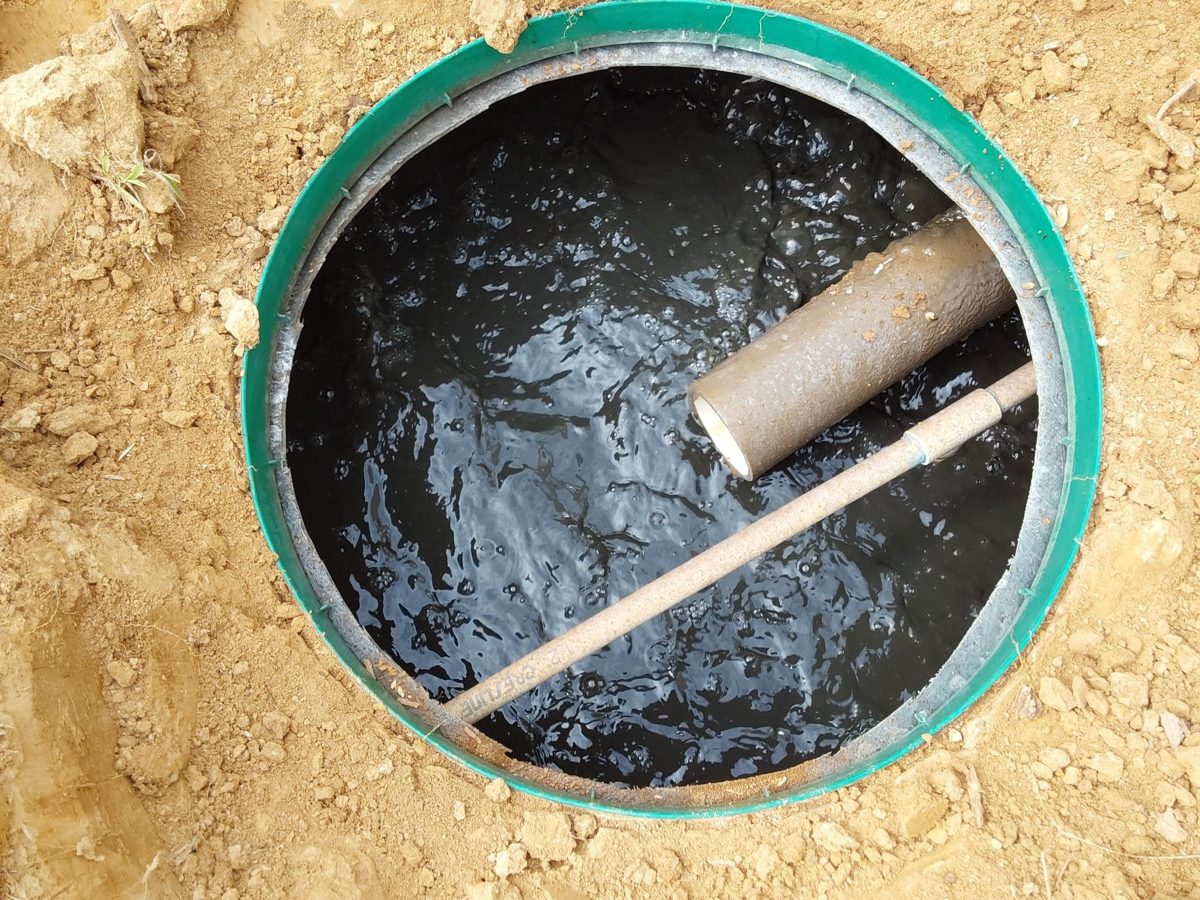
Looking into an open treatment plant riser in Oxford

A septic smell that got worse when the heat came on

Oxford · Septic

A homeowner in Oxford had lived with a septic smell in the house, on and off, for a couple of years, and it got much stronger whenever the heat came on. The air pump on his treatment plant had not been running since he moved back.

The heat is a useful clue. When the air handler runs, it moves air through the whole house, so a smell from one spot can seem to come from everywhere. And a treatment plant without air usually turns foul, because the bacteria that break the waste down need oxygen.

Over two days, our technician ran a smoke test through the drains and vents to check where gas could be getting in, and replaced the air pump.

With the new pump in, the plant is getting the air it needs again, and we have not been called back about the smell.

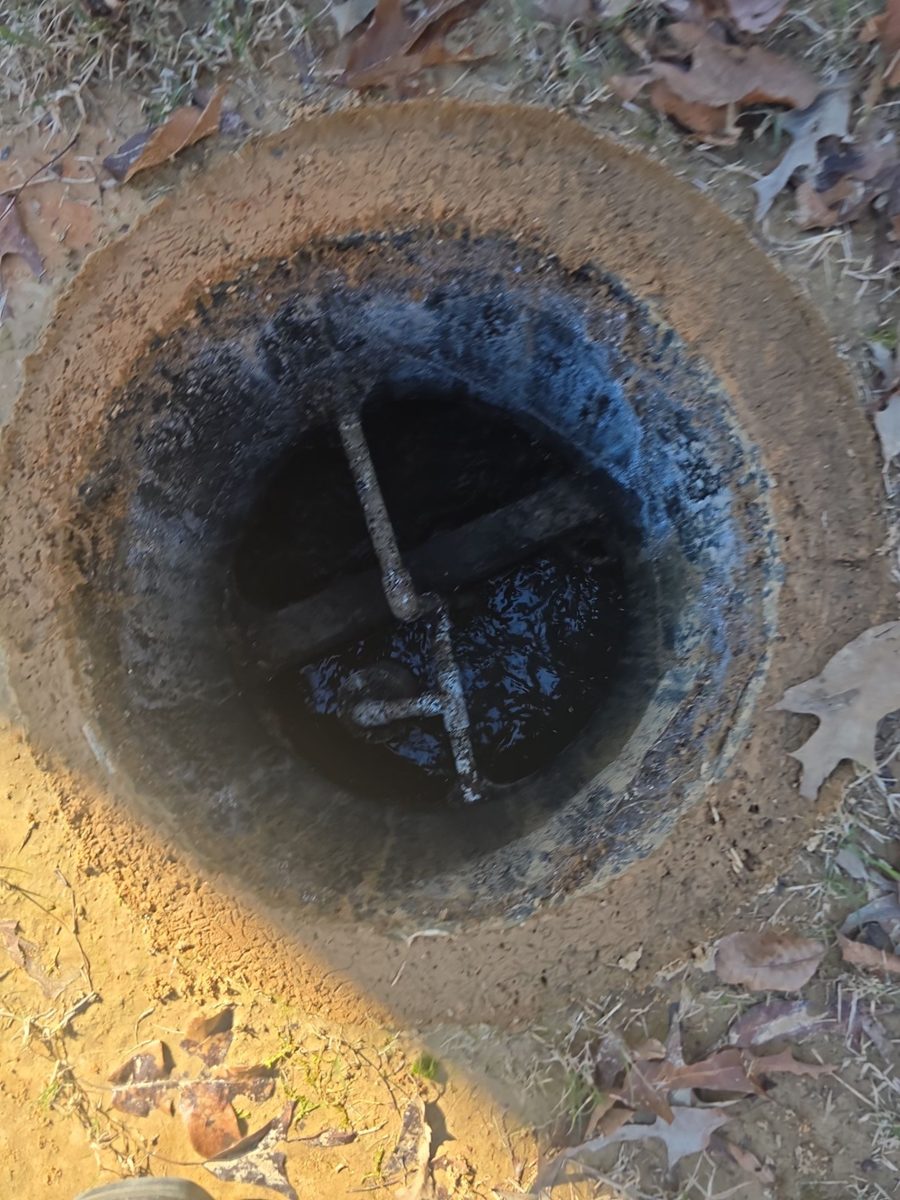
Pumping out a treatment plant tank in Batesville

An aerator that was running, and still no air

Batesville · Septic

A family in Batesville on an aerobic treatment plant had a septic smell outside, around the house.

At first look the system seemed fine. The aerator was running and blowing at the right pressure, which is usually the first thing we check when a treatment plant smells.

When our technician opened the tank, there were no bubbles. Solids had pushed into the chlorination chamber and were pressing up on the air valve, cutting the air off before it reached the tank. Without air, a treatment plant usually starts to smell.

Of the options he offered, the family chose pumping and bacteria: he pumped and cleaned the system and left bacteria tablets to rebuild it. With the solids out, the air had a clear path again, and we have not had a call back from that home since.
If it's not the septic, or you need the next step

Frequently Asked Questions

Why does my house smell like septic?

Usually sewer gas is coming back into the house instead of venting out over the roof: a full tank, water backing up at the inlet, a blocked or missing vent, or a failed seal inside.

Will pumping the tank get rid of the smell?

Often, if the tank was full. If the smell comes back soon after, the cause is usually elsewhere: the inlet, a baffle, a vent, the field, or a seal inside the house.

My septic system is brand new. Why does it smell?

Usually because of how it was put in: a pipe into the tank without enough fall, so water sits in the line, or drains that were not vented properly. Both can be corrected. See septic repair.

Why does the septic smell worse after heavy rain?

Rain can soak the drain field so it takes water more slowly and the tank level rises. If the smell fades as the ground dries, the field is often part of the story.

Contact Us

SMS Service Consent
SMS Marketing Consent

Talk to a real person, 24/7

Call 662-362-7745 or send the form. Every job starts with a guaranteed proposal before any work begins.