

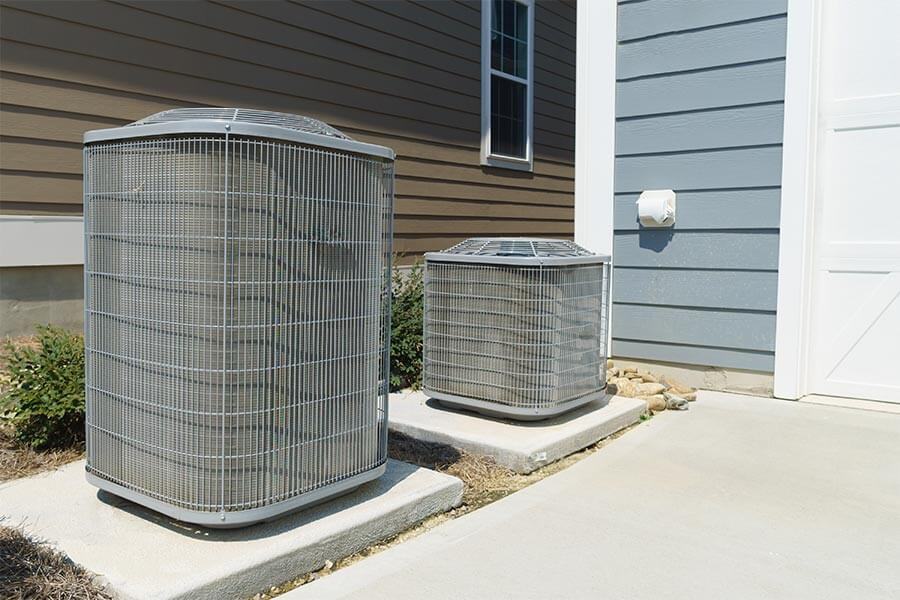
A working air conditioner is one of the things that makes an Oxford, MS summer livable. When the system starts giving warning signs, the question is rarely whether to act. The question is whether to repair what is there or to replace it with something that will hold up for the next decade. An AC over 10 years old, frequent repairs, climbing energy bills, unusual noises, hot spots through the home, warm air at the vents, and visible water around the unit are the seven signals our team uses to help homeowners make that call. Below, we walk through what each one means and when a new system installation is the right next step.
Is Your AC System Over 10 Years Old?
Most residential AC systems are designed for a working life of about 10 to 15 years. Past the 10-year mark, even a well-maintained unit starts showing its age in efficiency, parts availability, and reliability. We see this regularly in homes around the Square and out toward Lafayette County, where systems installed in the early 2010s are now reaching the point where the math is starting to favor replacement.
Newer models bring meaningful improvements. They use less electricity for the same cooling output, which shows up on the monthly bill faster than most homeowners expect. They include better humidity control and improved indoor air quality, which matters in north Mississippi summers. And they tend to be quieter, more reliable, and easier to service when something does need attention. When a system is past 10 years old and starting to show other warning signs, replacement usually delivers better long-term value than another round of repairs.
Do You Notice Frequent Repairs Needed for Your AC?
When the same AC unit has needed repair two or three times in a single season, it is no longer a question of fixing it. It is a question of whether the repairs are going to keep adding up faster than they are worth.
Rising Repair Costs
A single repair on an aging unit is usually reasonable. Two repairs in a season is concerning. Three or more is a clear signal that the system is wearing out faster than focused fixes can keep up with. We work through the math with Oxford homeowners regularly: the cost of repeated service calls, plus the cost of running an inefficient unit through a long summer, plus the risk of a midsummer breakdown, often adds up to more than the cost of a clean replacement that delivers a decade of dependable cooling. Replacing the unit also opens the door to a system that is right-sized for the home, which is often part of why an aging system was struggling in the first place.
Decreased System Efficiency
Frequent repairs often pair with another quieter sign: the unit is just not cooling the way it used to. It runs longer to hit the target temperature. It cycles more often. It makes more noise. It struggles on the hottest afternoons. Each of those is a sign that internal components are wearing out across the board, not just at the spot where the latest repair was made. When efficiency keeps slipping, replacement becomes the path that gives the household reliable comfort instead of another summer of compromise.
Are Your Energy Bills Going Through the Roof?
A summer power bill that has climbed without any change in usage is one of the strongest replacement signals an aging AC can give. The unit is working harder to deliver the same cooling, which means more energy is being spent for less comfort.
We watch for three specific patterns when we are talking through the math with homeowners.
- Steady increases in monthly energy costs across the summer, even when the thermostat setting has not changed.
- Higher maintenance bills that pair with the rising energy costs, which usually means the system is straining across multiple components.
- Poor cooling performance, which leads the household to lower the thermostat further, which drives the bill higher still.
When any of these patterns are showing up, the replacement conversation is worth having. A new, properly sized unit installed cleanly often pays back through reduced summer bills inside a few years. We help homeowners pick a system that fits the home and back the install with scheduled AC maintenance that keeps efficiency high through the years that follow.
Hearing Unusual Noises From Your AC?
Air conditioners that are healthy run quietly. When unusual noises start showing up, the system is signaling specific kinds of trouble.
Common AC Noises Explained
A few sounds come up often enough in our service calls that we know what each one usually means.
- Banging or clanking. Loose or broken hardware inside the unit, often a fan blade or a mounting bracket. Left in place, it usually causes more damage to surrounding parts.
- Hissing. A refrigerant leak, which needs prompt repair to protect the compressor. We handle these with refrigerant leak diagnosis so the system is not just topped off but actually sealed.
- Squealing. A worn-out fan belt or a failing motor bearing, both of which respond to repair if caught early enough.
When to Seek Help
If the noise is loud, sudden, or has been getting worse over time, the call should not wait. A small repair caught early often costs a fraction of a major repair caught late, and there are noises that signal the difference between a fixable problem and a system that has reached the end of its working life. Our team is happy to take the call, listen to the symptom, and give a straight answer about whether repair or replacement makes more sense.
Are There Hot Spots in Your Home?
When some rooms in the home cool fine and others stay warm no matter how long the system runs, the AC is no longer doing its job evenly. The cause might be the system itself or something in the ductwork, but the result is the same. Comfort drops, the thermostat gets pushed lower, and the bill keeps climbing.
We look for three specific symptoms.
- Rooms that never cool down, even with the AC running for hours.
- Significant temperature differences between rooms that should be similar.
- Increased humidity in specific areas, which makes the space feel sticky even when the temperature reading looks reasonable.
A system that consistently cannot keep up with the home is often undersized, aging, or working against duct issues that have developed over time. Replacement, paired with a proper load calculation for the home, usually solves the comfort problem at the same time it solves the efficiency problem.
Is Your AC Blowing Warm Air? What You Should Check Next?
Warm air from the vents during a normal cooling cycle is one of the clearest signs that the system is in trouble. Before calling for service, a few quick checks are worth running.
The thermostat is the first stop. Confirm it is set to “cool” and not accidentally on “heat” or “fan only,” and confirm the target temperature is below the current room temperature. The air filter is next. A clogged filter restricts airflow and is one of the most common reasons a system seems to be cooling poorly. The outdoor condenser unit is the third check. Leaves, pollen, and yard debris can choke the unit and force the system to work harder than it should. Refrigerant levels are the fourth, and that is the point where the troubleshooting hands off to a technician, because handling refrigerant requires the right equipment and certification.
If those checks do not solve the problem, the system has a deeper issue, and persistent warm air on an older unit is one of the strongest replacement signals we see.
Is Your AC Unit Leaking Water or Causing Excess Humidity?
Visible water around the indoor unit, or noticeably higher humidity in the home with no other obvious cause, is a sign that the AC is no longer managing moisture the way it should. The cause traces back to one of a few sources.
- A clogged drain line that is causing condensate water to back up.
- Low refrigerant levels, which can lead to ice forming on the indoor coil that then melts and drips when the system cycles off.
- Poor insulation on the ducts, which lets humidity from unconditioned spaces seep into conditioned ones.
A small drip from the condensate line is sometimes a focused repair, and our team handles those as part of routine AC repair work calls every week. A persistent leak combined with other warning signs on an aging system usually points toward replacement. The cost of letting the moisture issue continue is high, because mold grows fast in a humid Oxford summer and the cleanup costs add up quickly. Acting on it early is the right call every time.
Making the Call in Oxford, MS
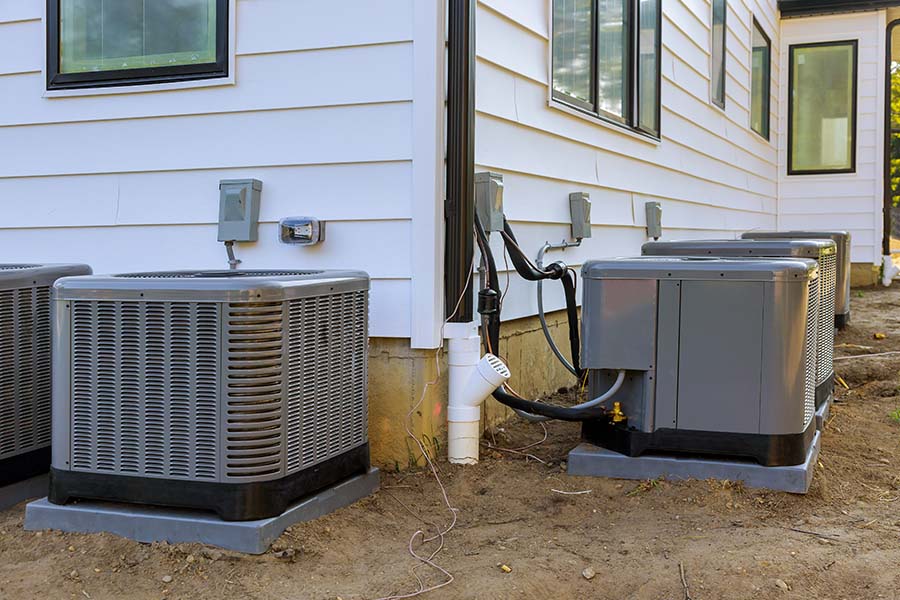
Replacing an air conditioner is a decision worth thinking through, and it is also a decision that gets easier when several of the seven signs above are showing up at once. An aging system, frequent repairs, climbing bills, unusual noises, uneven cooling, warm air at the vents, and humidity or moisture trouble are all signals worth taking seriously. When two or more of them are showing up in your home, contact our team, and we will give you a clear, honest answer about whether repair or replacement is the right move. Either way, the goal is the same: a quiet, comfortable home through the rest of the summer.