


Dealing with a leaking or malfunctioning faucet can be frustrating, especially when small issues start driving up water bills or disrupting daily routines. In Oxford, MS homes, common faucet problems like constant dripping, low water pressure, and loose handles often develop over time due to everyday use and mineral buildup. This step-by-step guide walks you through how to fix common faucet problems safely and effectively, helping you identify the issue, understand the repair process, and decide when a DIY fix makes sense or when it’s time to call a professional.
Identifying Common Faucet Problems in Your Home
Faucet issues often start small but can quickly lead to wasted water, higher utility bills, and ongoing frustration if left unaddressed. Knowing how to spot early warning signs makes faucet repair faster and more cost-effective.
Start by listening closely. A constant dripping sound, even when the faucet is turned off, is one of the most common signs of internal wear. Hissing or whistling noises may indicate pressure problems or a failing valve.
Next, look for visible signs of trouble. Water pooling around the faucet base often points to a loose connection, worn seal, or damaged O-ring. Leaks that appear when turning the faucet on or off usually suggest a failing washer or cartridge.
Low or uneven water pressure is another red flag. If the flow feels weaker than usual, mineral buildup inside the aerator or internal components may be restricting water movement. Removing and inspecting the aerator can often reveal sediment or debris causing the issue.
Pay attention to how the faucet handles operate. A stiff handle may signal mineral buildup or internal corrosion, while a loose or wobbly handle often indicates worn mounting hardware or internal parts that need tightening or replacement.
Finally, inconsistent water temperature can be a sign of a faulty cartridge, especially in single-handle faucets. Over time, internal components wear down and affect how hot and cold water mix.
Identifying these common faucet problems early helps you determine whether a simple repair will solve the issue or if professional faucet repair is the safer option. Proper installation can help prevent many of these common issues from occurring in the first place.
Identifying these common faucet issues can help you decide whether to call a professional or make the repairs yourself.
Essential Tools and Materials for Faucet Repair
Before you plunge into faucet repairs, ensure you have the right tools and materials.
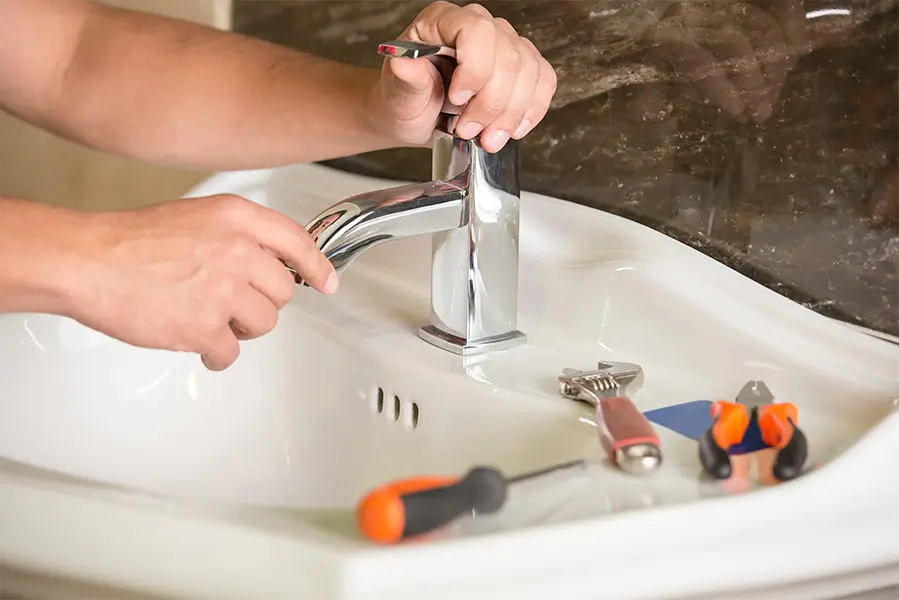
To start, grab an adjustable wrench to loosen and tighten nuts. A screwdriver set is essential for removing screws, while pliers will help with gripping small parts. You’ll also need a basin wrench for those hard-to-reach areas.
Don’t forget about a towel or bucket to catch any water that might spill. Having plumber’s tape on hand can help prevent leaks when reassembling parts. If you’re replacing any washers, cartridges, or O-rings, make sure to get the correct sizes for your faucet model.
Finally, keep a flashlight handy for better visibility in tight spaces. Addressing issues promptly can prevent costly damage from leaks and ensure your outdoor faucet remains functional.
With these tools and materials ready, you’ll be well-prepared to tackle your faucet issues efficiently. Happy repairing!
Step-by-Step Instructions for Fixing Dripping Faucets
Fixing a dripping faucet can be a straightforward task that saves you both water and money.
Start by gathering your tools and turning off the water supply. Next, follow these steps:
- Remove the handle: Unscrew the handle and lift it off to expose the inner components.
- Inspect the washer: Check the rubber washer for wear and tear. This is often the culprit behind the drip.
- Replace the washer: If it’s damaged, replace it with a new one that matches the size and type of your faucet.
- Reassemble the faucet: Put everything back together in reverse order, ensuring all screws are tightly secured.
Turn the water supply back on and test the faucet. Regular drain maintenance can also prevent further plumbing issues and keep your system running smoothly.
If it still drips, you may need to consult a professional. Happy Pipes Plumbing is available for any persistent issues you can’t resolve!
How to Address Low Water Pressure in Faucets
If you’re dealing with a dripping faucet, you might also notice low water pressure affecting your other fixtures.
Start by checking the aerator, which can become clogged with mineral deposits. Unscrew it from the faucet, clean it thoroughly, and reattach it. If that doesn’t solve the issue, inspect the faucet’s supply lines for kinks or blockages. Make certain the shut-off valves under the sink are fully open.
Another possibility is mineral buildup inside the faucet. If that’s the case, disassemble the faucet and soak the components in vinegar to dissolve the buildup.
Finally, if you still experience low pressure, check for leaks in your plumbing system or contact a professional like Happy Pipes Plumbing for a thorough inspection. They can help identify the root cause and make certain your faucet operates at peak pressure. Additionally, emergency plumbing services are available 24/7 to address urgent plumbing issues that may arise.
Troubleshooting Faucet Noise and Leaks
How can you tell if your faucet is making noise due to a problem? First, listen for unusual sounds like rattling, screeching, or humming. These noises often indicate an issue with your faucet.
Next, check for leaks, which might accompany the noise. Here are some signs to help you troubleshoot:
- Water dripping: Look for water pooling under the sink.
- Vibration: Notice if the faucet shakes when turned on.
- Air in pipes: Hear a gurgling sound when you run the water.
- Change in water flow: Observe any fluctuations in water pressure.
If you identify any of these issues, it’s best to take action quickly. Ignoring faucet noise and leaks can lead to more significant problems down the road.
Consider calling Happy Pipes Plumbing for expert assistance and reliable solutions tailored to your needs.
Conclusion
By following these steps, you can easily tackle common faucet problems in Oxford, MS. For instance, imagine discovering a persistent drip from your kitchen faucet. After turning off the water, you replace a worn rubber washer and reassemble the faucet. Voila! The drip stops, and you feel accomplished. Remember, regular maintenance can prevent these issues, so keep an eye on your faucets and don’t hesitate to jump in when problems arise!