
Drain cleaning is the kind of home maintenance that pays for itself many times over. In our work throughout North Mississippi, homes that schedule drain cleaning service on a regular cadence almost never see the kinds of plumbing emergencies that show up in homes that wait until something is already wrong.
Clogs caused by grease, hair, soap residue, and mineral buildup happen quietly inside the pipe long before they show up as a backed-up sink or a slow shower drain. Catching them early keeps the plumbing working, the home odor-free, and the budget protected from the surprise repair calls. Below, we walk through the case for preventative drain cleaning and why it is one of the smartest investments a homeowner can make.
Common Drain Issues and How to Prevent Them
Most drain problems start small. A slightly slower kitchen sink. A faint smell from the bathroom drain. A gurgling sound when the dishwasher empties. None of these feel urgent in the moment. By the time they do feel urgent, the issue has usually been building inside the pipe for weeks or months.
Grease is the most common culprit in kitchen drains. It pours easily as a liquid, then cools and clings to the inside of the pipe. Over time, soap, food particles, and other debris collect on top of it, narrowing the opening and slowing the flow. Hair and soap residue do the same job in bathroom drains. Mineral buildup adds another layer in homes with harder water, which is common in some Batesville neighborhoods.
A few small habits help slow the buildup. Drain strainers in sinks and tubs catch debris before it reaches the pipe. Hot water flushed regularly through kitchen drains helps move grease through before it has a chance to cling. Avoiding harsh chemical drain cleaners, which can damage older pipes faster than they clear the clog, protects the system long-term. None of those replace a periodic professional cleaning, but they buy time between visits and keep the daily routine running smoothly.
Preventative Drain Cleaning Is Essential
The strongest case for preventative drain cleaning is that it costs less, shows up on a schedule that works for the household, and prevents the kind of emergencies that are far more expensive to handle.
A few specific benefits show up consistently in homes that schedule it.
- Prevents clogs before they happen. Regular cleaning removes the slow buildup that causes backups, which keeps the system running smoothly.
- Extends the lifespan of the plumbing. Pipes that stay clear of grease, mineral, and debris buildup last longer and need less repair work over time.
- Supports healthier indoor air. Clean drains do not produce the kinds of odors that signal trapped debris or stagnant water, which keeps the bathroom and kitchen environment fresher.
- Catches small problems early. Our technicians often spot the first signs of corrosion, slow leaks, or root intrusion during a cleaning visit, which gives the homeowner a chance to address them with a focused pipe repair instead of an emergency.
In homes that have a mix of older drain lines and newer fixtures, the case for preventative cleaning is especially strong. Older lines are more vulnerable to buildup-related problems, and catching them early is much easier than handling them once they have failed.
How Preventative Drain Cleaning Saves You Money
The math on preventative drain cleaning is straightforward. A scheduled cleaning visit is a known, modest cost. An emergency call to handle a backed-up main line, especially after hours or on a weekend, is a much larger one, and that is before any cleanup or repair work that might be needed if water has reached the floor.
Beyond the direct cost comparison, regular cleaning also keeps the rest of the system more efficient. Pipes that stay clear move water at the rate they were designed to move it, which means showers drain quickly, sinks empty fully, and toilets flush with the kind of force they should. The system uses less water overall, which can show up on the monthly bill, and the household never deals with the small daily friction of slow drains.
There is also a quieter long-term benefit. The homes that schedule regular cleaning tend to need fewer pipe repairs and replacements over the lifespan of the plumbing. Buildup that is allowed to harden inside an older pipe can put pressure on the pipe wall and accelerate corrosion, which sometimes leads to leaks that the homeowner does not notice until water damage is already happening. Catching the buildup early protects the pipe itself. Our team also pairs drain cleaning with careful leak detection when a home has had ongoing trouble, which gives a complete picture of where the system stands.
What Happens During Preventative Drain Cleaning?
A typical preventative cleaning visit follows a clear, professional process. We are not in the home for long, and the work is contained, clean, and easy to understand.
- A full inspection of the visible drain system. We check the kitchen, bathroom, and laundry drains for early signs of buildup, slow flow, or unusual odors.
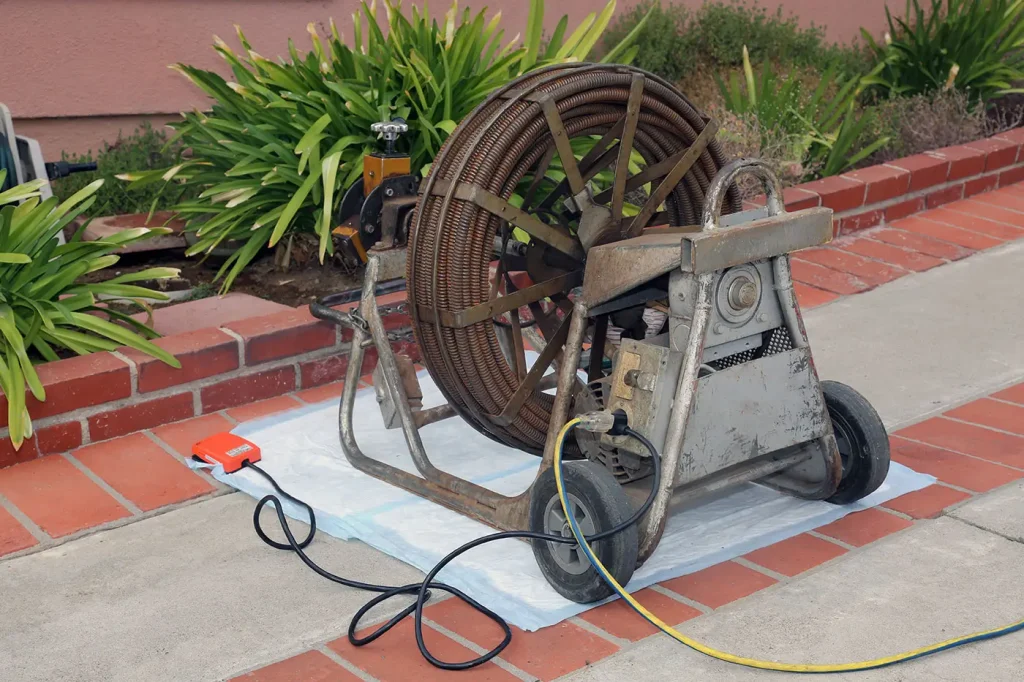
- Targeted cleaning with the right tools. Depending on the condition of the pipes, this might include high-pressure water jetting, mechanical augers, or a combination. We choose the method based on what the system actually needs.
- A camera inspection where it is helpful. For older homes or homes that have had recurring issues, a quick look inside the line gives us a much clearer picture of what is happening below the surface.
- A clear handoff at the end. When the work is complete, our technician explains what they found, what they cleared, and what the homeowner can do to keep the system running well between visits. If a related issue shows up during the visit, like a tired faucet or a slow shower head, we can also handle fixture installation work on the same call.
Most cleaning visits take an hour or two. The result is a system that flows the way it should and a homeowner who knows exactly where things stand.
Key Signs Indicating You Need Preventative Services
A few specific signals suggest that the next cleaning is overdue, even if the household is on a regular schedule.
- Slow drains. Water that takes longer than it used to to disappear from the sink or shower is the most common early sign of buildup.
- Unusual odors. Smells coming from drains usually mean trapped debris or stagnant water further down the line, both of which respond well to a focused cleaning.
- Gurgling sounds. Air trapped in the pipes, especially when sinks or toilets are in use, often points to a partial blockage.
- Frequent clogs. When a clog returns within days of being cleared, the cause is almost always something deeper that needs professional attention.
- Pooling water. Water collecting around floor drains or under fixtures is a sign that something in the drainage path is not working correctly.
Catching these early is the entire point of preventative cleaning. Each one is a small symptom that responds to a small, focused fix when caught in time. Each one also has the potential to become a much larger problem if it is allowed to develop.

Keeping Drains Working Right
Preventative drain cleaning is one of the few home services that consistently delivers more value than it costs. It protects the plumbing, the budget, and the daily routine, all at the same time. The households that make preventative maintenance a priority are also the households we hear from least often for emergency calls. That is the goal: drains that work, days that are not interrupted, and a plumbing system that keeps doing its job year after year.