

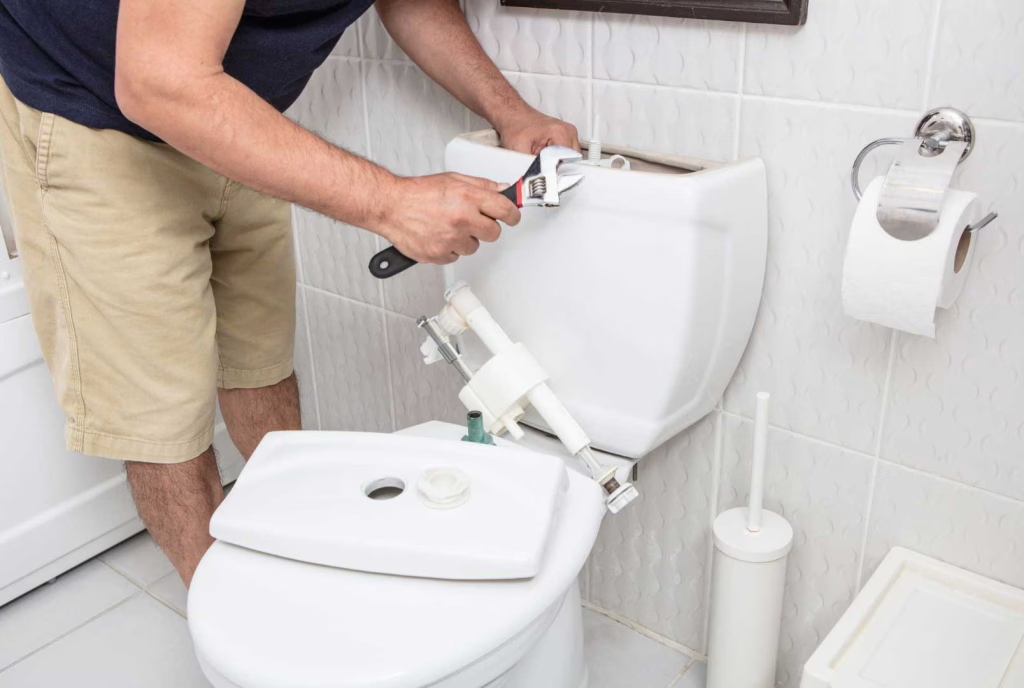
Constant running water, frequent clogs, water pooling around the base, strange noises, lingering odors, visible cracks in the tank or bowl, and an age over 25 years are the warning signs we look for in toilets across Northern Mississippi.
Each of these symptoms tells us something specific about what is happening inside the fixture and the plumbing it connects to, and acting on them early is what keeps a small repair from turning into a flooded bathroom and a weekend-killing emergency. Below, we walk through what each sign means, why it matters, and when it is time to bring in our emergency plumbing team.
What Are the Common Signs of Toilet Problems?
Of all the fixtures in a home, the toilet is the one most people only notice when something goes wrong. By that point, the issue has usually been building for weeks. Recognizing the early warning signs lets us catch problems before they reach the floor, the subfloor, or the ceiling of the room below.
Water pooling around the base of the bowl is one of the clearest red flags we see in homes. Strange sounds, including gurgling, hissing, or a soft trickle when no one is using the bathroom, usually point to internal valve trouble. A weak flush, a flush that needs to be repeated, or a flush that does not finish the job points to either a tank issue or a partial blockage further down the line. Frequent clogs are a signal too, even if the plunger has been doing its job. And visible cracks in porcelain, even hairline ones, almost always mean a replacement conversation is coming.
Catching these issues early is the difference between a quick service call and the kind of water damage that ruins flooring and drywall. We see again and again how a small symptom ignored for a few weeks becomes a much bigger repair. Staying ahead of the problem keeps the home running smoothly and the plumbing budget under control.
Is Your Toilet Always Running?
A toilet that runs nonstop is not just an annoyance, it is a meter that does not stop spinning. We have seen homeowners surprised by water bills that doubled in a single billing cycle because of a single running toilet, especially in older homes near the university where original fixtures are still in place.
Most often, a running toilet traces back to a faulty flapper, a worn fill valve, or a misaligned float. Each of those parts has a small job, and when one stops doing it correctly, water keeps moving from the tank into the bowl around the clock. Jiggling the handle or pressing down on the lever to make the noise stop is the universal sign that the fill mechanism is overdue for service.
Some adjustments are quick. Most are best handled by a technician who can identify which part has failed, replace it correctly, and confirm that nothing else in the tank is on the verge of going next. Based on what we see in homes, the longer a running toilet is left alone, the more likely it is to drag a fill valve, a supply line, or a wax seal down with it. A short, focused service call now keeps the rest of the system intact.
Are Frequent Clogs a Problem for You?
If reaching for the plunger has become a weekly habit, the toilet is telling us something. A single clog is usually a moment in time. Repeated clogs in the same fixture point to a pattern, and the pattern almost always involves something further down the line.
Common Causes of Clogs
When we open up a recurring clog situation in a bathroom, we usually find one of a few culprits.
- Excess toilet paper that overwhelms the trap and the line behind it
- Foreign objects (wipes marketed as flushable, cotton swabs, small toys) that catch on bends in the pipe
- Tree roots growing into older clay or cast-iron sewer lines, which is a common find in homes built before the 1970s
- Mineral and grease buildup that narrows the inside of the pipe over time, where routine drain cleaning service is the cleanest path back to normal flow
When to Seek Help
Repeated clogs in the same toilet are rarely a toilet-only problem. They almost always point to something deeper in the line, a partial blockage, a slope issue, a damaged section, or root intrusion that is closing off the path. A plunger handles the surface symptom; it does not solve the underlying restriction.
We see this often in older neighborhoods, where the indoor plumbing has been refreshed at some point but the line running out to the city connection is still original. When the same toilet keeps backing up, our team brings the right diagnostic tools, including camera inspection, to find the actual cause and provide professional pipe replacement that ends the cycle. The goal is to fix it once, not to keep fighting the same clog every other Saturday.
What Should You Do If You Notice Water Around Your Toilet?
Water on the floor around the base of the toilet is one of the few plumbing signs that calls for action within minutes, not hours. The longer water sits on bathroom flooring, the more damage it does to the subfloor underneath, and the more likely it is to migrate to the ceiling of whatever room sits below.
Here is what we tell homeowners to do as soon as they spot it.
- Turn off the water supply at the small valve behind the toilet to stop the source
- Look closely at the leak path: is the water coming from the base, from the tank, or from the supply line connection
- Tighten any visible loose fittings if it is safe to do so, but stop short of forcing anything
- Call a professional plumber if the source is not obvious, or if the water keeps coming after the supply is shut off
A leak at the base of the toilet usually means the wax seal underneath has failed, and that is a job that involves pulling the toilet off the floor flange and resetting it correctly. Working with our team, you get the kind of careful diagnosis that keeps the repair contained, not a temporary tighten-and-hope fix that fails again next week.
Is Your Toilet Making Strange Noises?
Toilets are not supposed to be noisy. When one starts gurgling, hissing, or banging, the fixture is signaling a specific kind of trouble. Each noise has its own story.
A constant hiss usually means water is moving through the fill valve when it should not be, which lines up with the running-toilet bills we mentioned earlier. A gurgle, especially after flushing or after using a nearby sink, often means the drain is partially blocked or the venting on the roof is restricted. A bang in the supply line, sometimes called water hammer, points to pressure or air-cushion issues elsewhere in the home.
These are the kinds of clues we use to narrow a diagnosis quickly. We treat unusual toilet noises as early warning systems for larger plumbing problems. A short service visit with a clear diagnosis is much less disruptive than waiting until the gurgling toilet turns into a backed-up drain on a holiday weekend.
Are There Unpleasant Odors Coming From Your Toilet?
Persistent smells around the toilet are not a hygiene problem. They are a plumbing problem. The fixture itself is designed to seal odors away from the living space, and when smells start escaping, it means a seal somewhere in the system is not doing its job.
Identify Odor Sources
We typically trace bathroom odors back to one of a few places.
- Clogged drains where debris has built up enough to start producing smell
- Dry traps in toilets or floor drains that have not been used recently, allowing sewer gases to push back through
- Blocked roof vents that prevent the system from breathing properly, forcing odors into the living space instead of up and out
- A failing wax seal at the base of the toilet, which lets gases escape directly into the room
If a smell lingers after cleaning, the source is mechanical, not cosmetic, and that is when our team gets the call.
Signs of Leaks
A musty or sewage-like odor in the bathroom often pairs with a slow leak that has not yet shown up as visible water. We look for water pooling at the base, the sound of running water when no one is using the toilet, soft spots on the flooring near the fixture, or staining on the ceiling of the room below.
These are the moments where calling early makes a major difference. A leak caught in week one is a service call. A leak left to run for a month is a remediation project. Our team handles these calls every week and brings the right leak detection to find the source quickly, with as little disruption to the home as possible.
Bacteria and Mold Growth
Smells that linger after flushing, dark spots around the toilet base, frequent unexplained clogs, and visible mold around the fixture or in the bathroom are signs that moisture has been finding its way somewhere it should not. Beyond the plumbing problem, this becomes a household-air-quality issue that can affect anyone in the home with allergies or respiratory sensitivity.
We treat these calls with care because the fix involves more than just the fixture. It usually means resealing the toilet, addressing whatever moisture path has been feeding the growth, and confirming that the rest of the system is in good shape. A clean, healthy bathroom starts with plumbing that is sealed and working the way it should.
When Is It Time to Replace Your Toilet Instead of Repairing It?
There comes a point where putting another repair into an aging toilet stops making sense. We tell homeowners to consider replacement when several of these are true at once.
- The toilet is more than 25 years old, which means it is using significantly more water per flush than current models
- The porcelain has visible cracks, even hairline ones, in the tank or bowl
- It clogs frequently despite repairs to the trap and supply line
- It runs constantly, and a flapper or fill-valve replacement has not solved it
- Multiple repairs over the past year or two have not held
Newer fixtures use a fraction of the water older ones do, which shows up on the monthly water bill faster than most homeowners expect. They also seal better, flush stronger, and need less maintenance over their first decade. When repair after repair is not adding up to a reliable fixture, replacement is the cleaner answer.
Keeping Bathrooms Running Smoothly
Toilets are easy to take for granted right up until the moment they cannot be. The seven warning signs above are the early conversations we want every homeowner to be able to recognize, because each one is a chance to act before the problem gets bigger. Constant running, frequent clogs, water at the base, unusual noises, persistent odors, visible cracks, and age over 25 years are all signs worth taking seriously.
When any of these show up in your home, reach out to our team and we will get a technician out fast, give you a clear answer, and keep your pipes and your bathroom happy.