

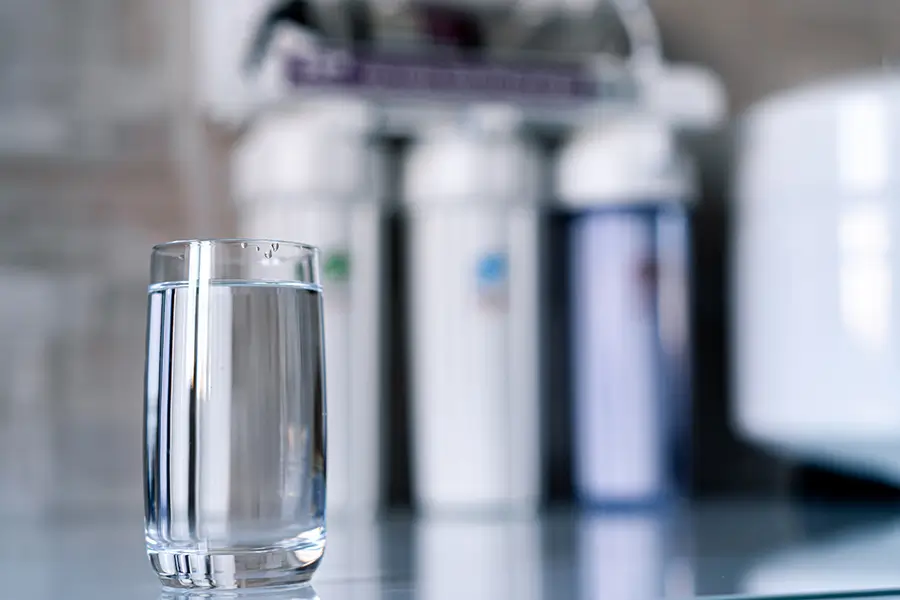
Is it really possible to improve your water quality while being environmentally conscious? Many Oxford, MS homeowners believe they can’t have both, but that’s not the case. By understanding your water quality and choosing the right filtration system, you can make a significant impact. There are practical steps you can take to guarantee cleaner water and a greener footprint. Let’s explore some effective tips that can help you achieve this balance.
Understand Your Water Quality
Understanding your water quality is essential for maintaining a healthy home. You need to know what’s flowing from your taps, as it directly impacts your health and well-being.
Start by testing your water for contaminants like lead, chlorine, and bacteria. You can easily purchase a water testing kit or hire a professional for a thorough analysis.
Pay attention to the pH level; ideally, it should be between 6.5 and 8.5. If your water has a strange taste or odor, it may indicate an issue.
Keep an eye on any discoloration or sediment in your water, as these can signal problems with your plumbing or the water source itself. Additionally, consider consulting with professionals for state-of-the-art water filtration systems to ensure the highest quality of water in your home.
Choose a Sustainable Filtration System
When selecting a sustainable filtration system, it’s crucial to evaluate both your water quality needs and the environmental impact.
Start by researching systems that offer effective filtration without relying heavily on energy or disposable components. Look for options that use renewable materials and have a long lifespan to reduce waste.
Consider systems like reverse osmosis or ceramic filters, which can effectively improve your water quality while being eco-friendly. You should also check if the filters are replaceable and how often they need to be changed, as this can influence your overall waste production.
Additionally, investigate brands that prioritize sustainability in their manufacturing processes. Supporting companies that align with your eco-friendly values not only improves your water quality but also contributes positively to the environment. Proper water filtration can help eliminate hard water issues that may affect your home’s plumbing and appliances.
Use Activated Carbon Filters
Activated carbon filters are a fantastic choice for enhancing your water quality while keeping your eco-friendly goals in mind. These filters work by adsorbing contaminants and impurities, effectively reducing chlorine, volatile organic compounds, and other harmful substances. By choosing activated carbon, you’re not only improving taste and odor but also promoting a healthier environment.
Installing activated carbon filters is simple and doesn’t require extensive plumbing work, making them accessible for most homeowners. Depending on your needs, you can opt for pitcher filters, faucet-mounted systems, or under-sink units.
Additionally, activated carbon filters are reusable; just rinse and replace them regularly to maintain their effectiveness. This minimizes waste compared to single-use plastic bottles. Regular maintenance of your plumbing systems, including efficient drain cleaning, also plays a crucial role in ensuring the overall quality of your water supply.
Install a Reverse Osmosis System
If you’re looking to take your water purification efforts a step further, consider installing a reverse osmosis (RO) system. This advanced filtration method effectively removes contaminants, including heavy metals, bacteria, and chlorine, providing you with pure, great-tasting water.
An RO system utilizes a semi-permeable membrane that allows only water molecules to pass through, guaranteeing that impurities are filtered out.
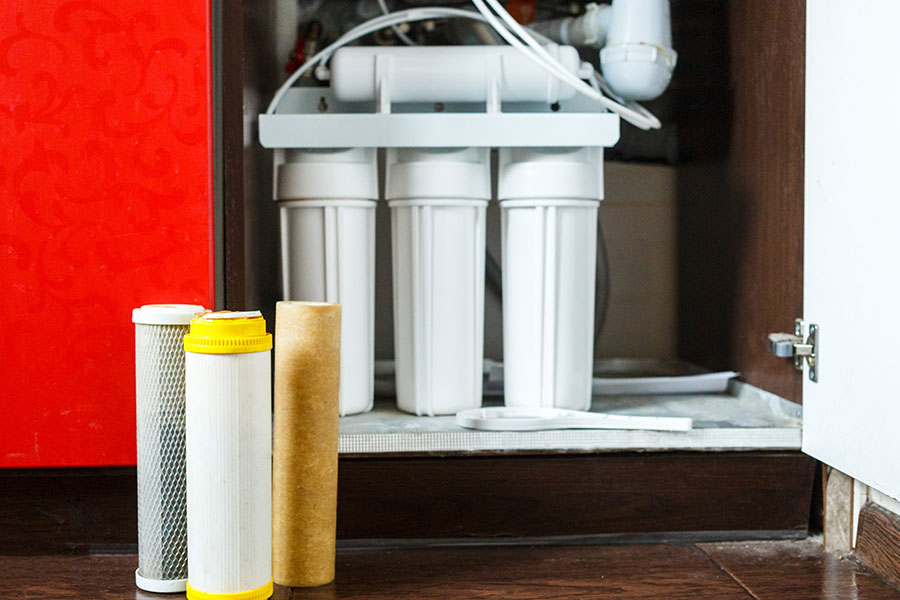
Installing an RO system can be done under your kitchen sink or even as part of a whole-house setup. It’s relatively easy, especially when you enlist the help of professionals like Happy Pipes Plumbing. They’ll guarantee the system is installed correctly, maximizing efficiency and longevity.
With an RO system, you’ll enjoy cleaner water and contribute to a more sustainable lifestyle by reducing plastic waste from bottled water. This eco-friendly choice can considerably enhance your home’s water quality and ensure compliance with health and code requirements.
Consider a Whole House Filtration System
If you’re looking for thorough water protection, a whole house filtration system might be the solution for you.
It not only improves the quality of water throughout your home but also guarantees that every tap delivers clean, safe water.
This investment can greatly enhance your family’s health and well-being.
Comprehensive Water Protection
When you invest in a whole house filtration system, you’re taking a significant step toward ensuring thorough water protection for your home.
This system filters all the water entering your house, safeguarding against contaminants that can affect your family’s health and well-being. You’ll enjoy cleaner water for drinking, cooking, and bathing, which can reduce your exposure to harmful substances.
Additionally, a whole house system can help prolong the life of your plumbing fixtures and appliances by preventing mineral buildup and corrosion.
By choosing a reliable filtration solution, you’re not just protecting your family; you’re also contributing to a sustainable environment by reducing plastic waste from bottled water.
It’s a smart investment for both your home and the planet.
Improved Water Quality
A whole house filtration system transforms the water quality in your home, giving you peace of mind with every sip and shower. By filtering all the water entering your home, you’ll eliminate harmful contaminants like chlorine, lead, and bacteria.
This means cleaner, healthier water for drinking, cooking, and bathing. You’ll notice improved taste and odor, making hydration more enjoyable.
Plus, your appliances will benefit from reduced mineral buildup, extending their lifespan and efficiency. With consistent filtration, you’re not just improving your family’s health; you’re also contributing to a more sustainable environment by reducing plastic waste from bottled water.
Investing in a whole house system is a smart choice for both your health and home.
Utilize Natural Water Purification Methods
While modern filtration systems are effective, utilizing natural water purification methods can be an eco-friendly alternative that’s both simple and sustainable.
You can start with rainwater harvesting, which collects rainwater in barrels for various uses. Make sure you cover the barrels to prevent contamination.
Another method is using sand and gravel filters. Layering sand, gravel, and activated charcoal can remove impurities effectively.
You might also consider planting water-filtering plants, such as cattails or water lilies, in a small pond or container. These plants naturally purify water by absorbing pollutants.
Finally, solar disinfection is a great option—just fill clear bottles with water and leave them in direct sunlight for six hours to kill harmful bacteria.
Regularly Maintain Your Filtration System
Natural purification methods are a great start, but keeping your water filtration system in top shape is just as important for guaranteeing clean water. Regular maintenance helps your system operate efficiently and extends its lifespan.
Start by checking the filters—most need replacing every six months to a year, depending on usage. Clean or replace any pre-filters and post-filters as needed.
Don’t forget to inspect the system for leaks or unusual noises, which can indicate issues that need addressing. Schedule routine professional check-ups to catch any potential problems early.
You should also flush your system periodically to remove any buildup of contaminants. By staying proactive with maintenance, you’ll guarantee that you’re drinking pure, safe water while minimizing waste.
Regular upkeep not only supports your health but also contributes to a more eco-friendly home.
Recycle and Dispose of Filters Responsibly
To guarantee your eco-friendly efforts don’t go to waste, it’s crucial to recycle and dispose of your water filtration filters responsibly. Many filters, especially those made from plastic, can contribute to landfill waste if not handled properly.
Check if your filter brand has a recycling program; some companies offer mail-in options for used filters. If not, look for local recycling centers that accept these items.
When you can’t recycle, dispose of filters in a way that minimizes environmental impact. Remove any non-recyclable components and follow local trash disposal guidelines.
Don’t forget to educate your family about proper disposal methods to make certain everyone’s on board.
Opt for Energy-Efficient Filtration Solutions
Choosing energy-efficient water filtration solutions benefits the environment and helps you save on utility bills.
By opting for less energy systems, you can enjoy cleaner water while being kinder to the planet. Here are some options to evaluate:
- Low-Power Reverse Osmosis Systems: These use less energy than traditional filters while providing high-quality filtration.
- Solar-Powered Water Purifiers: Harness the sun’s energy to purify your water, reducing your reliance on electricity.
- High-Efficiency Activated Carbon Filters: These filters require less energy to operate and effectively remove impurities.
Educate Your Family on Water Conservation
How can you make a real difference in your family’s water usage? Start by educating everyone about the importance of conservation. Discuss the value of every drop and how small changes can lead to significant savings.
Encourage your kids to turn off the tap while brushing their teeth and to take shorter showers. You can also set a good example by fixing leaks promptly and using water-efficient appliances.
Make it a family challenge to track water usage each month; this will raise awareness and foster a sense of responsibility. Organize fun activities like a rainwater collection project or a trip to a local water conservation site.
Conclusion
By following these eco-friendly water filtration tips, you can make a significant difference in your home and the environment. Just like planting a tree grows a forest, your small actions can lead to a healthier planet. Remember, every drop counts! Embrace sustainable practices, keep your filtration system in check, and involve your family in conservation efforts. Together, you can guarantee clean water for today and a brighter future for generations to come.
